
HDMI Active Optic Cable - 2023-09-01 12:34:11
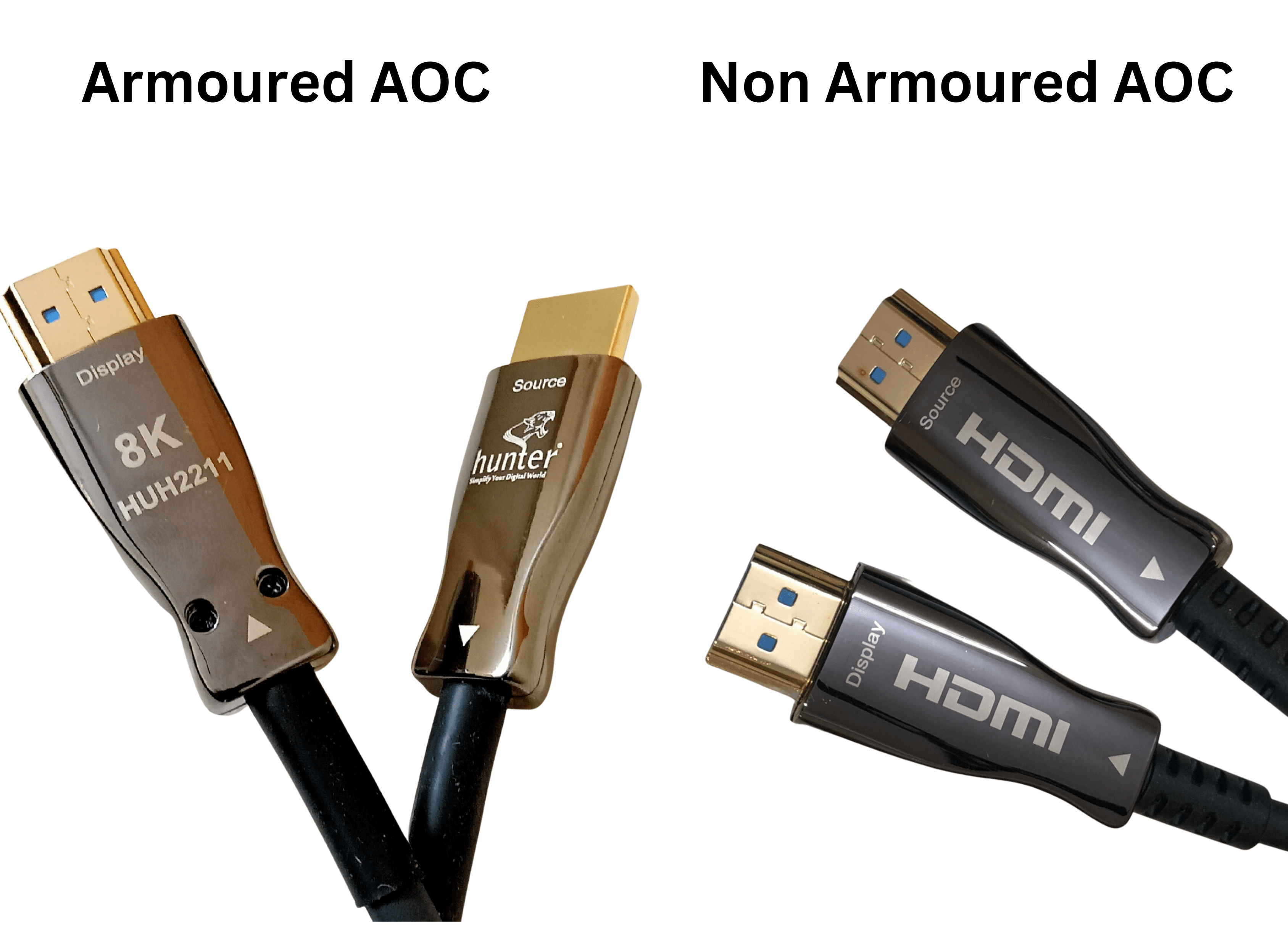
In the realm of high-definition audio-visual connectivity, the emergence of Active Optical Cables (AOCs) has redefined the way we transmit and experience content. Within this landscape, HDMI (High-Definition Multimedia Interface) cables play a pivotal role in ensuring seamless and uncompromised data transmission. Among the variations in HDMI AOCs, the distinction between "armoured" and "non-armoured" cables introduces a new layer of consideration for users seeking optimal connectivity solutions. This article delves into the world of HDMI Armoured Active Optical Cables and HDMI Non-Armoured Active Optical Cables, exploring their unique features, applications, and the factors to consider when choosing the right cable for your specific requirements.
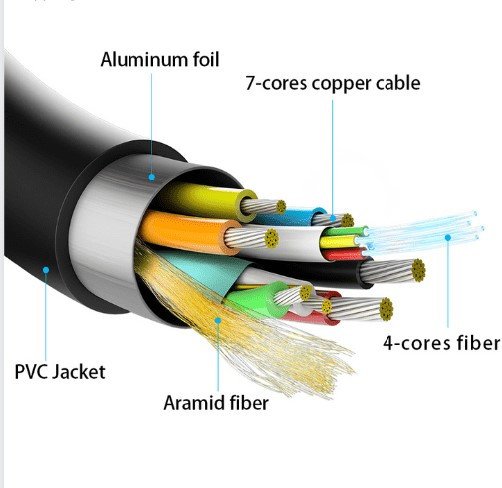
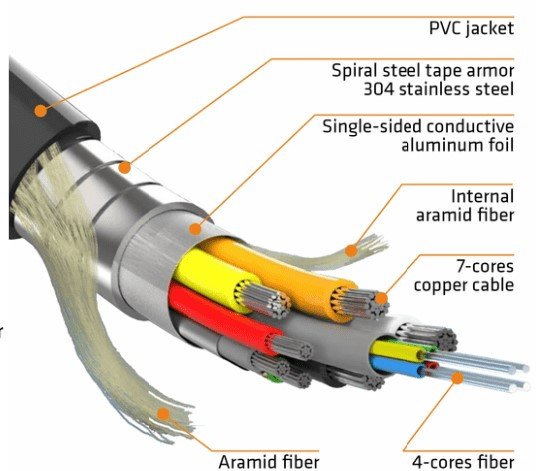
The HDMI Armoured Active Optical Cable stands as a testament to engineering ingenuity and innovation. These cables are equipped with an additional layer of protection that goes beyond the standard construction. This extra layer often takes the form of spiral steel tape armor or single-sided conductive aluminum foil, both of which are designed to safeguard the cable against a range of external threats.
The robust metallic armor, which can be crafted from materials like 304 stainless steel, delivers exceptional resistance to mechanical damage, moisture, and other environmental factors. This makes the cable a prime candidate for installations in challenging settings, such as industrial environments, outdoor setups, and even underground applications. Imagine a construction site where equipment movement and harsh conditions are a norm – the HDMI Armoured Active Optical Cable excels in such scenarios, ensuring uninterrupted data transmission.
Beyond physical protection, these cables also feature an internal aramid fiber that enhances the cable's structural integrity. This addition contributes to the cable's resistance to impact, compression, and abrasion, further solidifying its suitability for demanding environments. The combination of metallic armor and aramid fiber ensures that the cable retains its performance even under challenging conditions, making it a reliable choice for applications that require durability and longevity.
|
|
HDMI Armoured Active Optical Cables find a diverse range of applications across industries and sectors:
In contrast to its armoured counterpart, the HDMI Non-Armoured Active Optical Cable offers a more lightweight and flexible solution. These cables prioritize maneuverability and versatility, making them an excellent choice for indoor setups and controlled environments. While they lack the external metallic armor, their internal structure remains robust, thanks to the integration of optical fibers and electronic components.
The lightweight nature of these cables makes them ideal for situations where cable management is crucial, and where rough handling or extreme environmental conditions aren't a concern. Home theaters, conference rooms, and indoor multimedia installations benefit from the efficiency and ease of installation that non-armoured cables offer.
 |
When choosing between HDMI Armoured Active Optical Cables and HDMI Non-Armoured Active Optical Cables, it's essential to consider the specific requirements of your installation:
HDMI Armoured Active Optical Cables: Opt for these cables when durability, protection, and resilience are paramount. They excel in environments where external threats pose a risk to cable integrity.
HDMI Non-Armoured Active Optical Cables: Choose these cables when flexibility, lightweight design, and versatility are key considerations. They are best suited for indoor setups and installations with controlled conditions.
In the realm of audio-visual connectivity, HDMI cables have evolved to meet the demands of today's high-resolution, long-distance transmission needs. HDMI Armoured Active Optic Cables and HDMI Non-Armoured Active Optic Cables each have their unique strengths and applications. The decision between them depends on the environment in which they will be used, striking a balance between robustness and flexibility to ensure a seamless and reliable AV experience.








Leave A Comment